


As we approach the end of the first quarter of the 21st century, the question remains: Is education truly inclusive for students with disabilities? Despite advancements in policies and awareness, many students with disabilities still face significant barriers to equal education.
What is Inclusive Education?
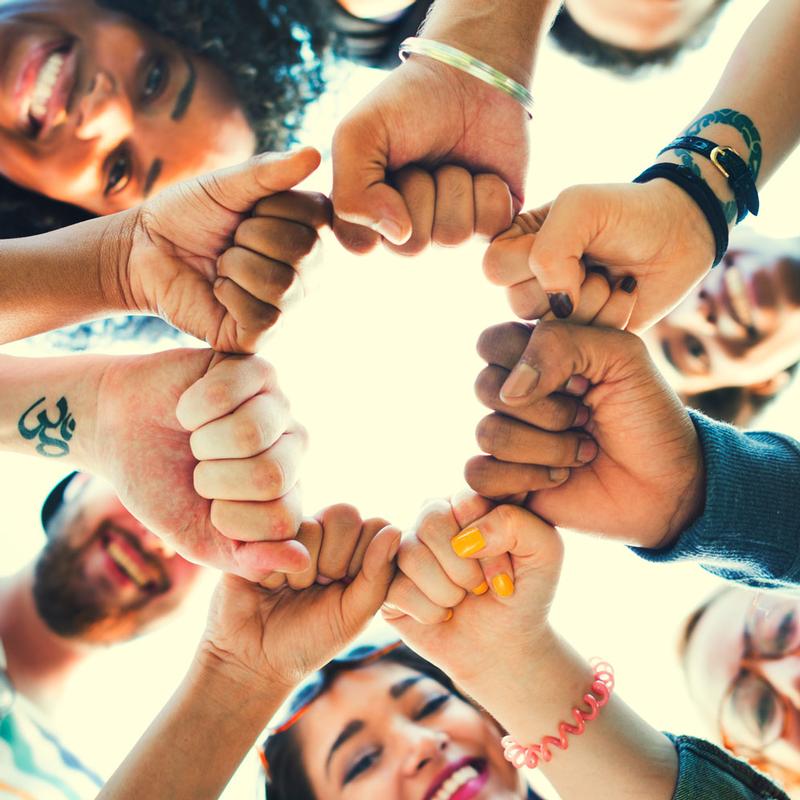
Inclusive education means providing all students, regardless of their abilities, with equal opportunities to learn and succeed in the same classroom as their peers. It’s based on the belief that every child deserves a fair chance to learn in a regular school setting, with the necessary support and accommodations.
The Reality
However, the reality is far from ideal. Many students with disabilities are still segregated from their peers, either in special schools or separate classrooms within regular schools. Physical barriers, such as lack of ramps or elevators, and inaccessible digital tools and learning platforms, further limit their access to education. Teachers often lack the training and resources to adapt lessons to meet the diverse needs of their students.

Students Speaking Out
Despite these challenges, students with disabilities are increasingly speaking out for change. They’re sharing their stories, advocating for stronger support systems, and demanding equal access to education. Students in the US are calling for more robust Individualized Education Programs (IEPs), while those in India are tackling issues like caste-based discrimination and disability. In South Africa, students are pushing for more teachers trained in sign language and braille.
Progress and Challenges
Some positive steps have been taken, such as increased hiring of support staff, teacher training on inclusion, and development of accessible education technology. Governments are also passing laws to ensure schools follow through with inclusive practices. However, many activists warn that in underfunded or resource-poor areas, true inclusion remains elusive.
The Way Forward
Inclusive education is not just about providing access to schools; it’s about creating a welcoming and supportive environment where students with disabilities can thrive. It’s about recognizing that inclusion is a right, not a privilege. To achieve this, schools, teachers, governments, and communities must work together with students and their families to create real change. By listening to their voices and experiences, we can build a more inclusive education system that truly provides equal opportunities for all.

Conclusion
The journey towards inclusive education is ongoing, and there’s still much work to be done. However, with the advocacy and activism of students with disabilities, we’re seeing a shift towards a more inclusive and equitable education system. By working together, we can ensure that every student, regardless of their abilities, has access to quality education and the opportunity to reach their full potential.