


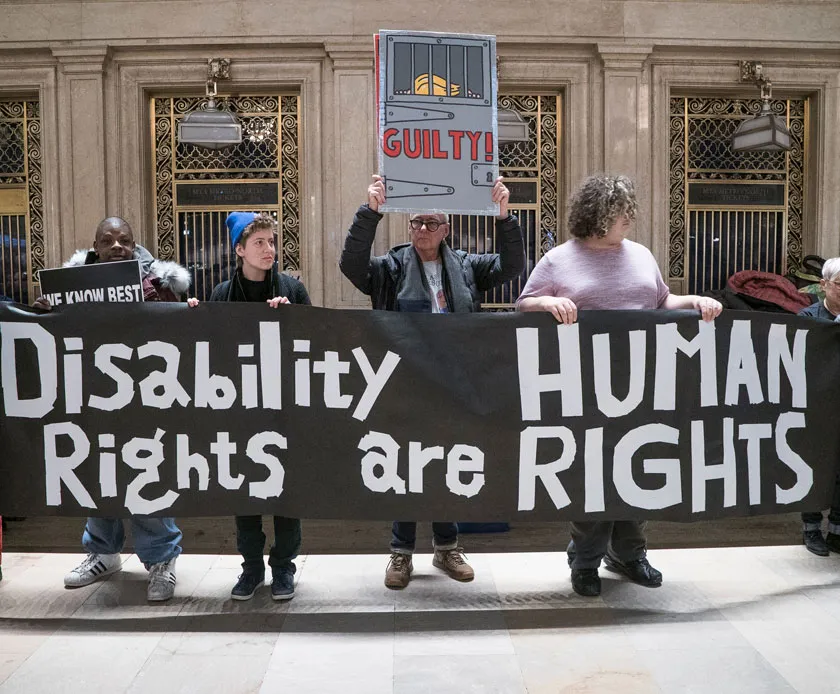
Seventeen US states, led by Texas, are fighting a lawsuit that could weaken disability rights protections in healthcare. The lawsuit targets updated rules from the Department of Health and Human Services (HHS) that strengthen protections for people with disabilities. These rules, finalized in 2024, require healthcare providers to make their services more accessible and prevent discrimination against people with disabilities.
The states object to language in the rules mentioning gender dysphoria, claiming it goes too far. HHS has proposed clarifying that gender dysphoria isn’t a disability under these rules, saying this will reduce confusion. However, disability advocates argue this move could harm transgender people facing healthcare discrimination.
The lawsuit is a significant threat to disability rights, as it seeks to block the entire updated regulations, not just the disputed language. Experts warn that as long as the lawsuit remains active, the updated rules are at risk. The states involved include Texas, Alaska, Alabama, Arkansas, Florida, Georgia, Indiana, Iowa, Kansas, Louisiana, Missouri, Montana, Nebraska, South Carolina, South Dakota, Utah, and West Virginia.

Disability advocates say the lawsuit creates uncertainty and weakens protections, threatening key rights like access to community services, protection from medical discrimination, and accessible medical equipment. The HHS proposal to clarify the rules is open for public comment, but advocates remain concerned about the lawsuit’s impact.
The lawsuit initially tried to challenge the legality of Section 504 of the Rehabilitation Act, a law banning disability discrimination in federally funded programs. Although the states dropped that claim, the case remains active. Until it’s resolved or dropped, disability rights protections are uncertain.
The updated rules aimed to improve health outcomes for people with disabilities by ensuring equal treatment and access to medical equipment. Advocates stress that the lawsuit’s outcome will have significant implications for disability rights, and they’re urging the states to drop the case.