


Breaking the Silence: Mental Health Matters for People with Disabilities
Imagine living in a world that’s not built for you. Where simple things are challenging, and support is scarce. This is the reality for many people with disabilities, and it’s taking a toll on their mental health.
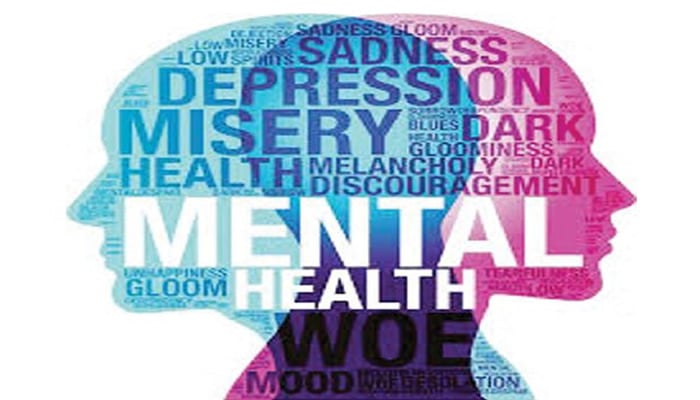
The stats are alarming: people with disabilities are 2-3 times more likely to experience depression, anxiety, and psychological distress. The reasons are complex, but it boils down to exclusion, stigma, and lack of access to mental health care.
The Unseen Struggle
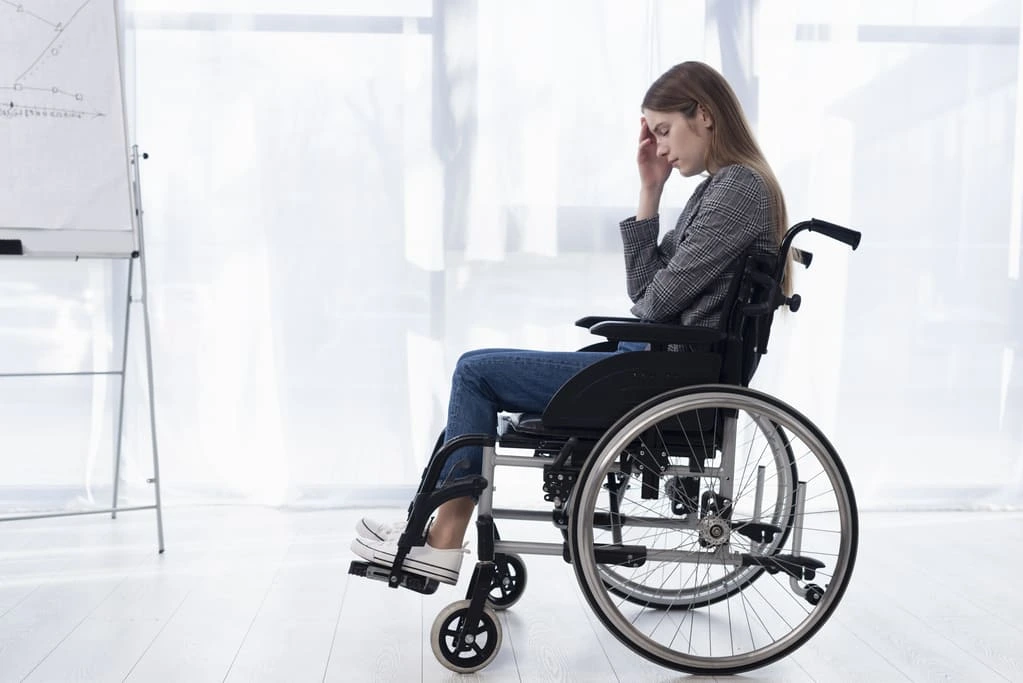
Living with a disability can be isolating. Social connections are crucial for mental well-being, but many people with disabilities face barriers to participation. Imagine being stuck at home, unable to join friends or family due to inaccessible spaces or lack of support.
The mental health system often adds to the problem. Clinics are inaccessible, professionals lack training, and communication gaps leave people feeling dismissed and misunderstood. It’s a cycle of exclusion that needs to be broken.

Breaking Down Barriers
So, what can we do?
- Make inclusion a priority: Schools, workplaces, and communities should promote accessibility and inclusion. Representation matters – seeing people with disabilities in leadership roles, media, and sports boosts confidence and belonging.
- Accessible mental health care: Governments and organizations must ensure mental health services are physically and technologically accessible. This means sign language interpreters, braille materials, and telehealth options.
- Education and awareness: Let’s break the stigma surrounding disability and mental illness. Awareness campaigns can educate the public that disability is a form of diversity, and seeking help is a sign of strength.
- Peer support networks: Peer-to-peer programs can be powerful. Shared experiences foster understanding, empathy, and hope.
- Policy and advocacy: Governments must prioritize mental health as part of disability inclusion policies. This includes funding for accessible counseling centers and training mental health professionals.

Hope Beyond the Struggle
People with disabilities are resilient, but resilience shouldn’t be mistaken for invulnerability. Society owes them access, empathy, and equal opportunity. By investing in their mental health, we’re strengthening the fabric of humanity. Every accessible door, every compassionate conversation, and every inclusive policy brings us closer to a world where mental health care is truly for everyone.