

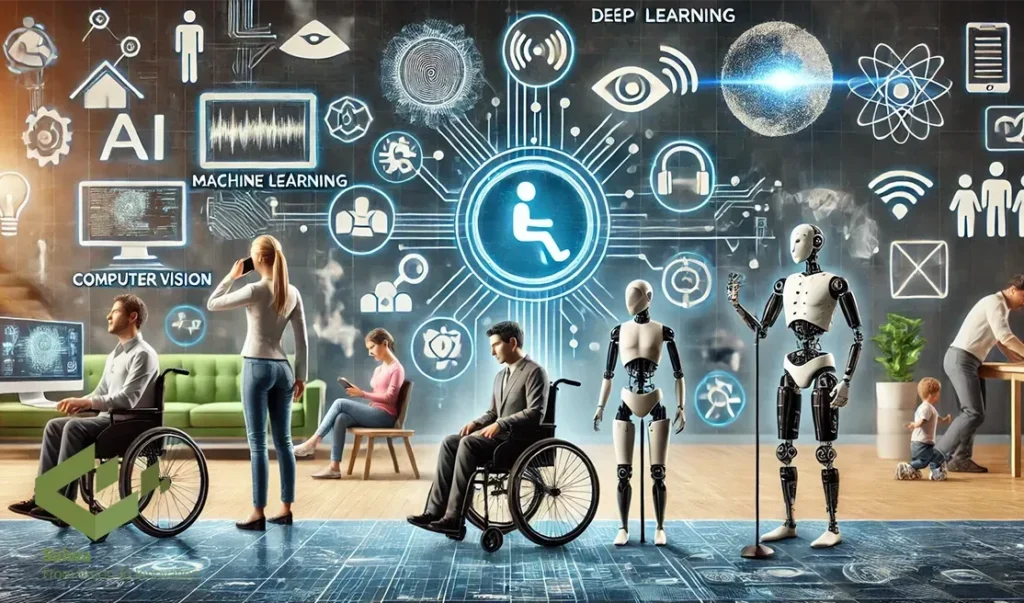
A new AI-powered app is revolutionizing communication for people with disabilities, making it faster, more natural, and even funnier. Developed by researchers at the University of Maryland, College Park, the app addresses the challenges faced by individuals with conditions like cerebral palsy, stroke, or brain injuries, who struggle to form spoken sentences.
The app uses artificial intelligence to improve the speed and timing of augmented and alternative communication (AAC) tools. It allows users to type just a few keywords and instantly receive a full, coherent sentence, drastically reducing conversation time. The app is designed to work with short inputs, making it accessible for users with limited movement or typing abilities.
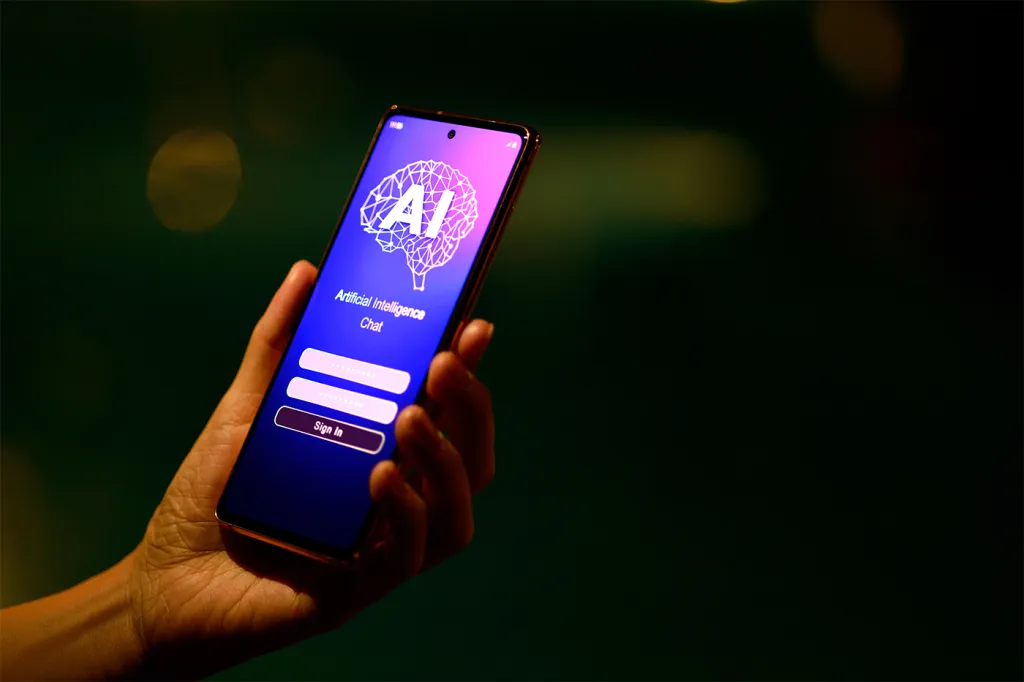
One of the app’s exciting features is its joke mode, “Why So Serious?”, which suggests jokes based on the conversation in real-time. Users can guide the humor or adjust the punchline, helping them connect socially and bond with others.
The app offers four AI-powered interfaces, each with a different level of control, catering to diverse user needs. The fully automated version is particularly popular, as it enables users to jump in with a comment at the right moment.
The developers prioritize user agency, ensuring the app speaks for the user, not instead of them. This breakthrough technology supports not just basic communication but also real human connection, laughter, and personality, enabling people with disabilities to participate in everyday social moments.
Key Features:
- AI-powered sentence generation
- Joke mode with real-time suggestions
- Four customizable interfaces
- Accessible design for users with limited movement or typing abilities
- Prioritizes user agency and social connection