


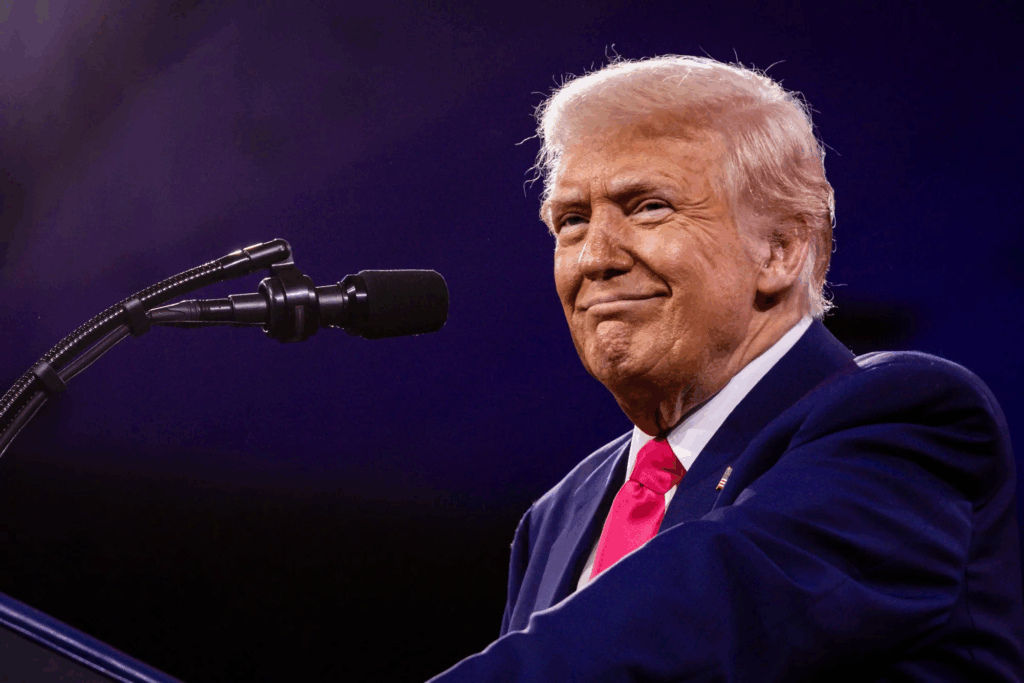
US President Donald Trump sparked outrage with a Thanksgiving post on Truth Social, attacking immigrants and using a derogatory term for people with intellectual disabilities against Minnesota Governor Tim Walz. The incident has reignited debates on immigration, xenophobia, and discriminatory language .
The Controversial Post
Trump’s post criticized Somali refugees in Minnesota, claiming they’re “taking over” the state and contributing to crime. He also used a slur to describe Governor Walz, which disability advocates say is hurtful and outdated. This language has been widely condemned by disability rights groups, politicians, and the public.
Backlash and Reactions
The backlash was swift, with many calling for accountability and respect in public discourse. Disability leaders emphasized that the word is not just offensive but carries decades of painful history. Dr. Timothy Shriver, chairman of Special Olympics, stated that the R-word has been used to humiliate people with intellectual disabilities.
Impact and Concerns
The incident raises concerns about the impact of harmful language on vulnerable groups. Using disability-related terms as insults reinforces negative stereotypes and fuels bullying and exclusion. Advocates worry that this signals a regression in progress toward eliminating discriminatory speech.

Calls for Change
Many are calling for leaders to set a standard that uplights society rather than divides it. The incident highlights the importance of respectful language and the need for accountability in public discourse. As discussions continue, advocates hope this moment becomes a catalyst for deeper understanding and lasting change US President Donald Trump sparked outrage with a Thanksgiving post on Truth Social, attacking immigrants and using a derogatory term for people with intellectual disabilities against Minnesota Governor Tim Walz. The incident has reignited debates on immigration, xenophobia, and discriminatory language .
The Controversial Post
Trump’s post criticized Somali refugees in Minnesota, claiming they’re “taking over” the state and contributing to crime. He also used a slur to describe Governor Walz, which disability advocates say is hurtful and outdated. This language has been widely condemned by disability rights groups, politicians, and the public.
Backlash and Reactions
The backlash was swift, with many calling for accountability and respect in public discourse. Disability leaders emphasized that the word is not just offensive but carries decades of painful history. Dr. Timothy Shriver, chairman of Special Olympics, stated that the R-word has been used to humiliate people with intellectual disabilities.

Impact and Concerns
The incident raises concerns about the impact of harmful language on vulnerable groups. Using disability-related terms as insults reinforces negative stereotypes and fuels bullying and exclusion. Advocates worry that this signals a regression in progress toward eliminating discriminatory speech.
Calls for Change
Many are calling for leaders to set a standard that uplights society rather than divides it. The incident highlights the importance of respectful language and the need for accountability in public discourse. As discussions continue, advocates hope this moment becomes a catalyst for deeper understanding and lasting change.