

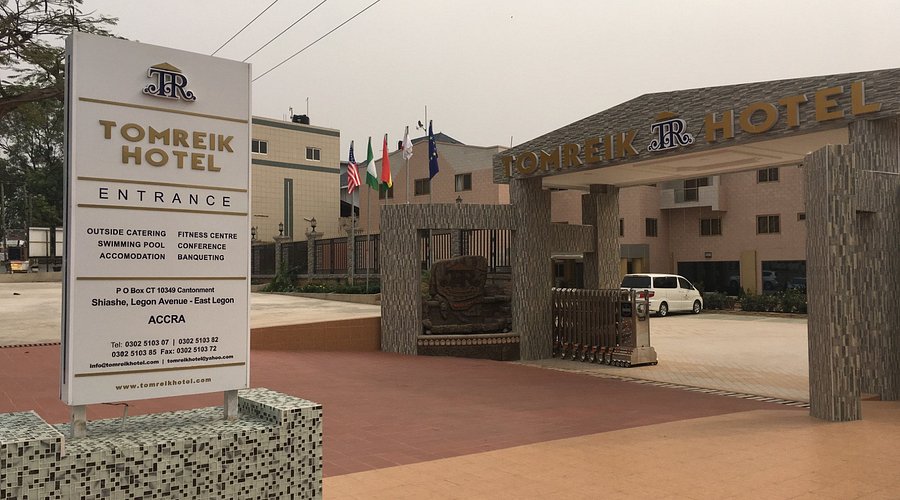
The Ghana Federation of Disability Organisations (GFD) hosted a Breakfast Meeting at the Tomreik Hotel in Accra on October 29, 2025, bringing together employers, partners, and advocates who share a common vision of a Ghana where young persons with disabilities have equal access to meaningful employment. The event marked a significant milestone in the ongoing We Can Work (WCW) Programme, an initiative aimed at equipping young persons with disabilities with the skills, confidence, and opportunities needed to participate fully in the workforce.
The meeting attracted a diverse group of attendees, including long-term employer partners and new organisations eager to strengthen disability inclusion. Representatives from the Ghana Business and Disability Network (GBDN), the Ministry of Gender, Children and Social Protection, the National Labour Commission, and the National Council on Persons with Disabilities were among those present.

The central theme of the session was clear: inclusive employment is not charity, but rather smart business and a pathway to a more equitable society. The GFD presented an overview of the WCW Programme’s three main components: the Wage Employment Track, the Entrepreneurship Track, and the WCW Academy. These tracks provide young persons with disabilities with real-world skills, professional exposure, and readiness for decent work opportunities.
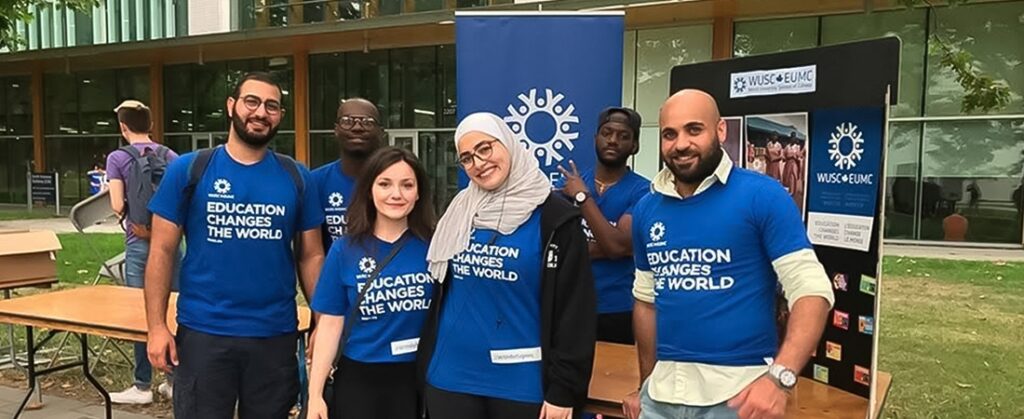
A video showcase featuring interns from the 2024 Wage Employment Track cohort highlighted the transformative impact of the programme. Many interns spoke of personal growth, increased independence, and renewed confidence. One particularly inspiring story came from a participant who interned with the World University Service of Canada (WUSC) and had her contract extended by 11 months after a successful three-month internship.
A trainee from the 2025 WCW Academy also addressed the audience, urging employers to provide more internship opportunities and emphasizing the importance of practical experience in bridging the gap between learning and employment.
During an interactive discussion, employers shared their experiences and successes in making their workplaces more inclusive. They highlighted adjustments such as redesigning physical spaces for accessibility, adopting flexible work arrangements, and refining recruitment processes to reduce bias. Many noted that working with employees with disabilities had broadened their understanding of inclusion and enriched workplace culture.
“Inclusive employment is not an act of charity; it is a smart investment in human potential,” said Princella Awauh, Inclusive Employment Officer at GFD. “When employers welcome young persons with disabilities into their workforce, they gain access to creativity, dedication, and problem-solving abilities that often go unnoticed due to societal barriers.”
Rebecca Nunoo, Senior Disability Inclusion Advisor at GFD, highlighted the success of the WCW Programme in shifting employers from awareness to action, emphasizing the importance of targeted collaboration in building a more inclusive economy.
The event concluded with participating employers reaffirming their commitment to supporting internships, job placements, and workplace reforms that promote inclusion. New organisations also expressed interest in joining the initiative, signaling hope for a future where disability inclusion becomes standard practice.
The meeting served as a powerful reminder that inclusive employment is not only achievable but essential for the growth and development of individuals, organisations, and the nation as a whole.