


Chandigarh’s Disability-Inclusive Education Policy: A Step Towards Real Inclusion
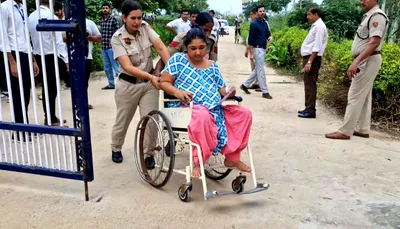
Chandigarh’s new education policy is a beacon of hope for children with disabilities. The policy guarantees free and compulsory education for children with disabilities up to age 18, ensuring they have equal access to education. This policy is a significant step towards creating an inclusive education system.
Key Features of the Policy
The policy has several key features that make it stand out. These include:
- Free Education: Children with disabilities can attend government and aided schools for free up to age 18.
- Non-Discriminatory Admission: Schools cannot discriminate against children with disabilities during admission.
- Reservation and Quota Protections: Children with disabilities are included under the Right to Education (RTE) framework, ensuring they have reserved seats in schools.
- Identification and Assessment: The policy includes active identification of children with disabilities through household surveys and assessment camps.
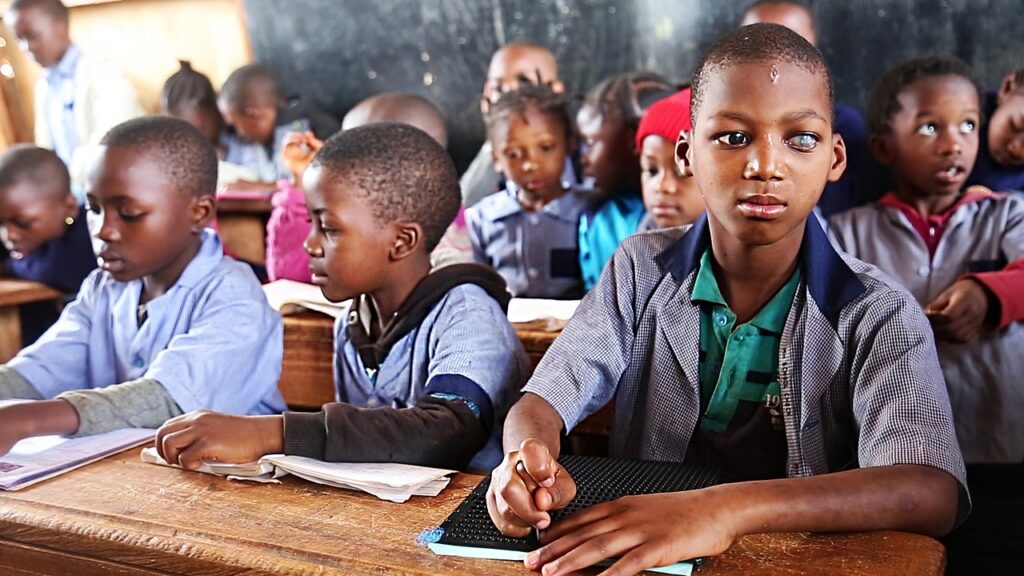
- Flexible Placement: Children can opt for mainstream inclusive classrooms, specialized resource support, or home-based education.

Support Inside Schools
The policy recognizes that access to education is not enough; support systems are necessary to ensure children with disabilities can learn effectively. The policy requires schools to:
- Appoint Special Educators: Schools must appoint trained special educators to support children with disabilities.
- Cross-Disability Training: General teachers will receive training to support children with different disabilities.
- Therapists and Counsellors: Schools will provide on-campus therapists and counsellors to support children.
- Inclusive Sports and Vocational Training: Schools will promote social inclusion and future employability through inclusive sports and vocational training.
Assistive Devices and Infrastructure
The policy also focuses on providing material support to children with disabilities. This includes:
- Assistive Devices: Children will be provided with assistive devices such as wheelchairs, hearing aids, and prosthetics.
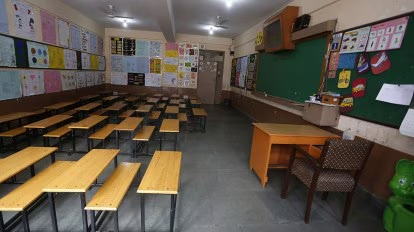
- Accessible Infrastructure: Schools must remove physical barriers and provide accessible toilets, ramps, and classrooms.
- Transport Allowances: Families will receive transport allowances to help children with disabilities attend school.
Accountability and Monitoring
The policy recognizes that implementation is key. To ensure this, the policy includes:
- State-Level Monitoring Committee: A committee will monitor the implementation of the policy.
- Grievance Redressal Panels: Schools must establish grievance redressal panels to address complaints.
- Special Cell: A dedicated special cell will be set up in the education department to drive implementation and troubleshooting.
Why This Matters
This policy matters because education is a catalyst for social change. By providing equal access to education, children with disabilities can:
- Improve Health: Education can lead to better health outcomes.
- Increase Employment Opportunities: Education can lead to better job opportunities.
- Participate in Civic Life: Education can lead to greater participation in civic life.
- Dignity and Respect: Education can lead to greater dignity and respect for individuals with disabilities.
The Way Forward
The policy is ambitious, and its success depends on effective implementation. To ensure this, civil society, parents, and local media must track the roll-out of the policy closely. The policy has the potential to be a blueprint for dignity, opportunity, and justice for children with disabilities everywhere. With sustained funding, capacity building, and community engagement, this policy can become a model for other regions to follow.