
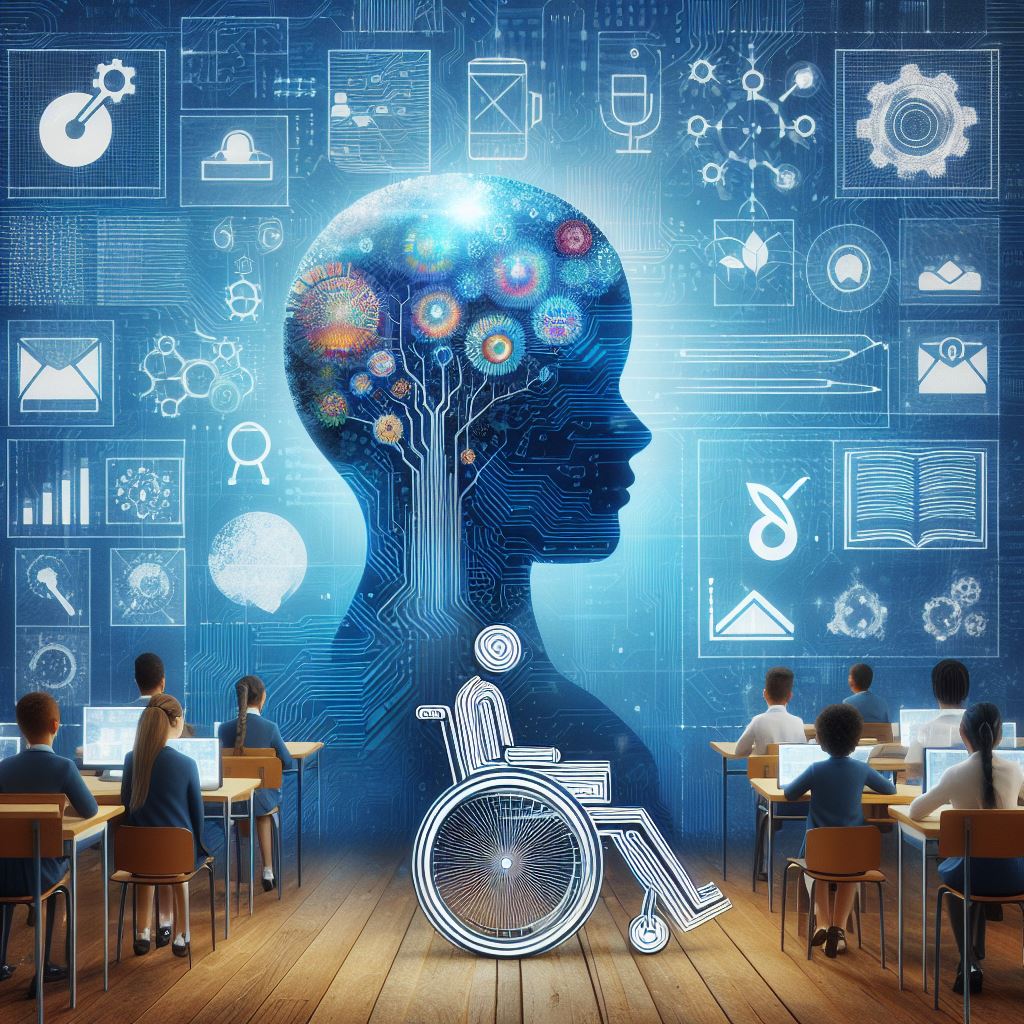

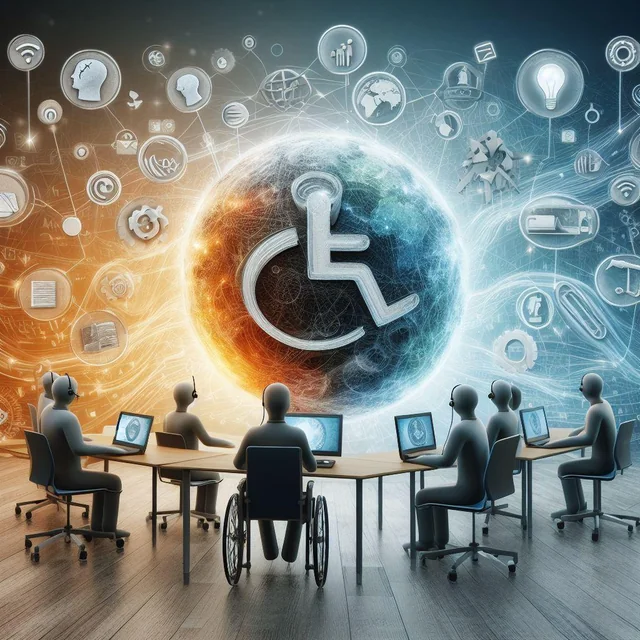
The world is rapidly evolving with Artificial Intelligence (AI), automation, and digital transformation. These technologies are revolutionizing how we live, work, learn, and interact. They have the potential to bridge gaps and create new opportunities, but for millions of people with disabilities, they also pose significant challenges.
On one hand, technology can be a powerful tool for empowerment. For instance, voice-to-text software can help individuals with mobility impairments communicate effectively, while screen readers can make digital spaces accessible for the visually impaired. Captioning tools and sign-language avatars can also make video content more inclusive for deaf and hard-of-hearing users.
However, if accessibility is not prioritized, technology can also create new barriers. Many digital tools, especially those powered by AI, are designed without considering people with disabilities. This can result in interfaces that are incompatible with assistive technologies, job application portals that are inaccessible, and AI hiring systems that unintentionally discriminate against individuals with disabilities.
The lack of representation of people with disabilities in AI development can lead to biases in AI systems. For example, facial-recognition systems may struggle to identify people with physical differences or facial paralysis, while voice-recognition tools may have difficulty understanding speech variations caused by conditions like cerebral palsy or autism.
The good news is that there is a growing movement towards inclusive AI, which prioritizes the needs of people with disabilities in AI development. Organizations like the World Health Organization and disability tech advocates are working together to create guidelines for digital inclusion.
Accessibility is a fundamental human right, not a luxury or optional feature. The United Nations Convention on the Rights of Persons with Disabilities states that access to information and communication technologies is essential for equal opportunities. However, many government websites, e-learning platforms, and digital workplaces remain inaccessible, excluding individuals with disabilities from education, employment, and social participation.
To build a more inclusive digital future, we need to take several steps:
- Involve people with disabilities in the design process to ensure that technology meets their needs.
- Adopt global accessibility standards, such as the Web Content Accessibility Guidelines, in every product.
- Educate developers and users about accessibility and digital literacy.
- Invest in assistive technology innovation and fund research on inclusive solutions.
- Hold tech companies accountable for accessibility and AI ethics.
By prioritizing accessibility and inclusion, we can create a digital world that is more equitable and empowering for everyone. When technology is designed with empathy and inclusivity in mind, it benefits not only individuals with disabilities but also society as a whole.
Inclusion is not a future goal; it’s a fundamental aspect of building a better world. Let’s work together to ensure that the AI revolution is accessible to everyone, regardless of their abilities. By doing so, we can create a world where technology empowers everyone and leaves no one behind.
Some potential benefits of inclusive technology include:
- Increased access to education and employment opportunities for people with disabilities
- Improved communication and social participation for individuals with disabilities
- Enhanced user experience for everyone, as inclusive design often leads to more intuitive and user-friendly products
- Greater diversity and inclusion in the tech industry, as developers and users with disabilities are involved in the design process
By prioritizing accessibility and inclusion, we can unlock the full potential of technology and create a more equitable and empowering world for everyone.