

Health Equity for All: Breaking Down Barriers for Persons with Disabilities
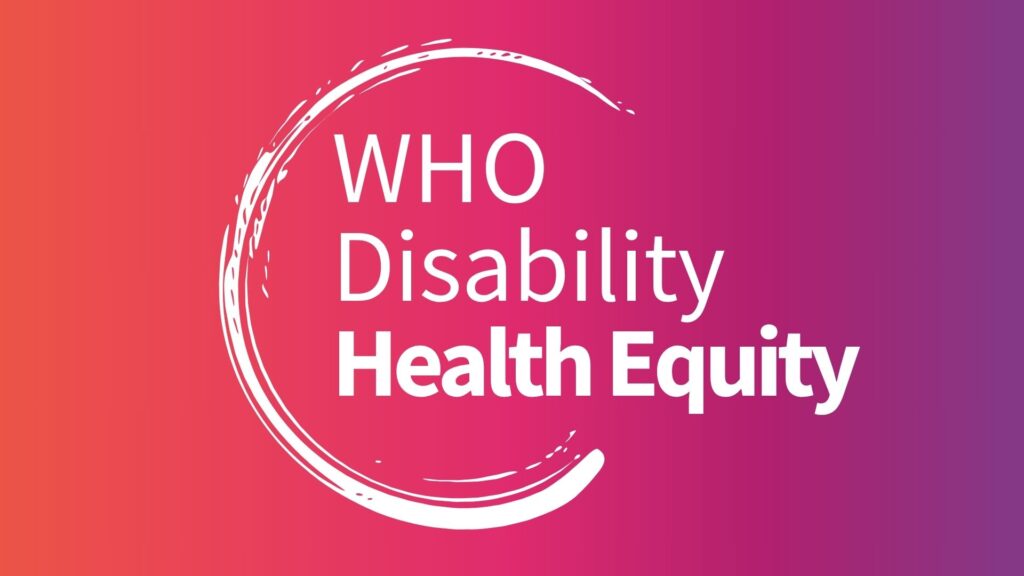
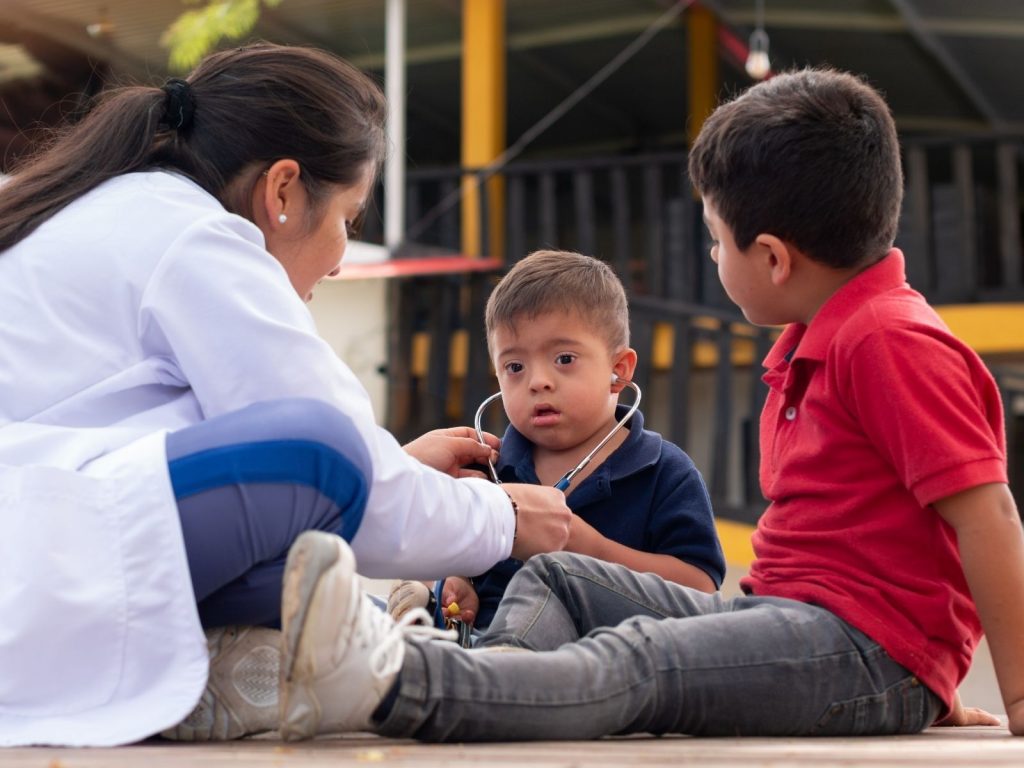
Imagine being unable to access healthcare because of a wheelchair-inaccessible hospital or lack of sign language interpreters. For millions of people with disabilities worldwide, this is a harsh reality. The World Health Organization’s (WHO) Global Initiative on Health Equity for Persons with Disabilities is a groundbreaking effort to transform healthcare systems and ensure equal access for all.
The Current State of Healthcare for People with Disabilities
Healthcare disparities for people with disabilities are staggering. Inaccessible clinics, communication barriers, and stigma prevent them from receiving quality care. This leads to poor health outcomes, preventable deaths, and exclusion. The WHO’s initiative seeks to change this narrative by promoting health equity – ensuring every person has the opportunity to achieve their best possible health.

Key Components of the WHO’s Initiative
The WHO’s initiative is a comprehensive plan to make healthcare systems more inclusive. It includes:
- Practical Toolkits and Guides: Frameworks for making health facilities accessible and training staff.
- Policy Reforms: Governments are urged to enforce accessibility standards and disability-inclusive health budgets.
- Global Accountability: Recognizing disability health equity as a human right, not a privilege.
Breaking Down Barriers
The WHO identifies several major barriers to healthcare access for people with disabilities:
- Access: Inaccessible hospitals, clinics, and transportation systems.
- Communication: Lack of interpreters, braille, and accessible digital formats.
- Affordability: Extra costs of care, adaptive devices, and transportation.
- Stigma and Attitudes: Unconscious biases among health professionals.
The Power of Inclusion
When healthcare becomes inclusive, the benefits extend beyond individuals to families, communities, and society as a whole. Inclusive healthcare:
- Promotes dignity: Restores dignity and respect for persons with disabilities.
- Strengthens communities: Builds stronger, more resilient communities.
- Improves health outcomes: Leads to better health outcomes and reduced mortality rates.
How You Can Make a Difference
Everyone can contribute to this movement:
- Advocate: Raise your voice for health equity and inclusive policies.
- Demand change: Push for accessible clinics, inclusive health campaigns, and trained staff.
- Educate yourself: Learn about inclusive practices and disability awareness.
- Shift your mindset: Recognize disability as part of human diversity, deserving care, compassion, and investment.
A Call to Action
The WHO’s Global Initiative on Health Equity for Persons with Disabilities is a historic moment. Its success depends on collective action. Let us work together to break down barriers and create a world where every person, regardless of ability, can access the healthcare they deserve. Health equity is a human right. let’s make it a reality for all.