

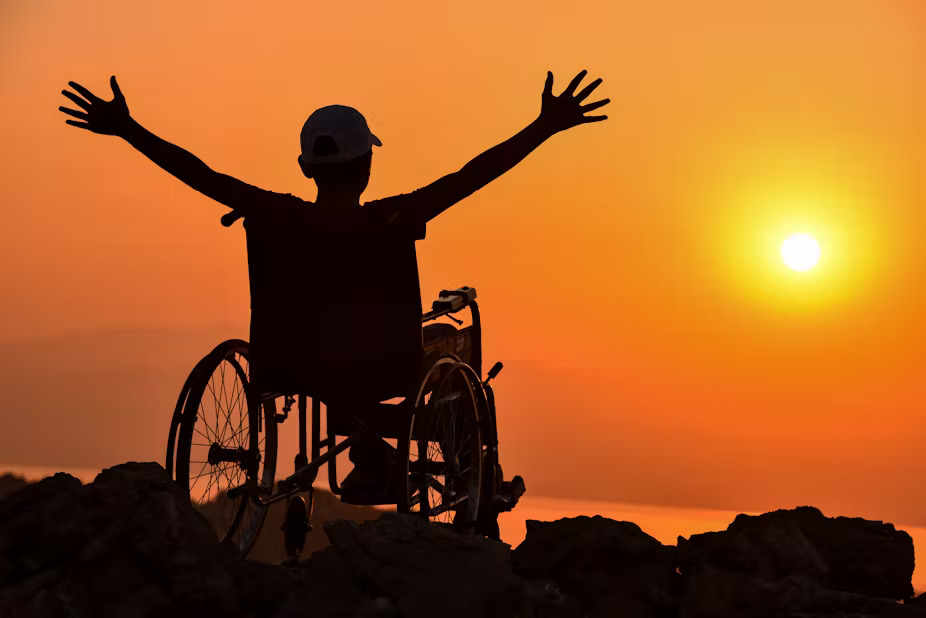
Building an Inclusive Africa for People with Disabilities
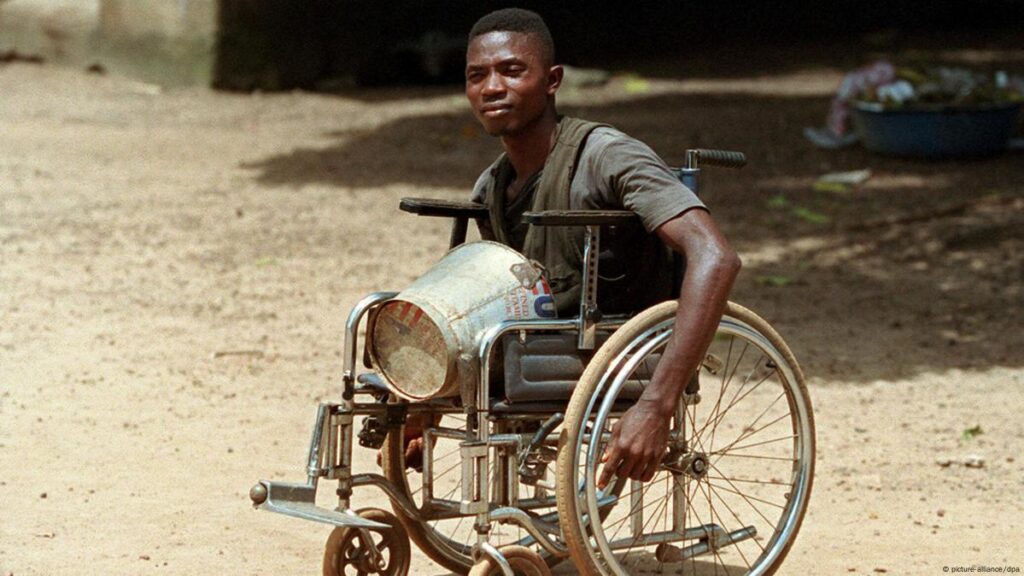
Millions of people with disabilities in Africa face significant challenges in various aspects of life, including education, employment, healthcare, and social participation. Despite progress, the journey toward an inclusive Africa remains far from complete.
The Current State of Disability in Africa
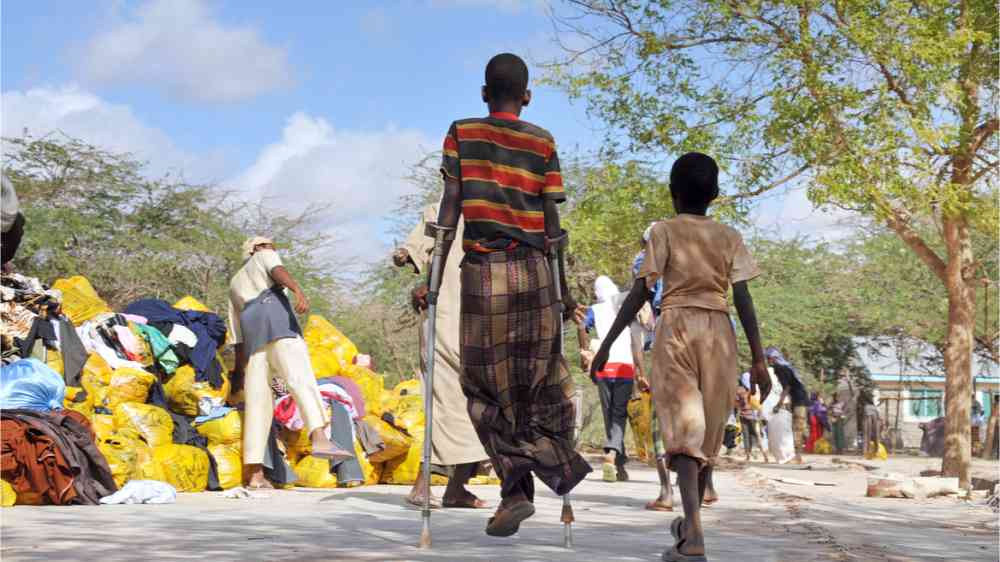
Over 80 million people in Africa live with some form of disability, and they are often among the most marginalized groups in society. Stigma, cultural misconceptions, and poverty exacerbate their exclusion from essential services.
Key Challenges:
- Education: Many schools lack accessible infrastructure, materials, and trained teachers, resulting in low enrollment and high dropout rates for children with disabilities. Fewer than 10% of children with disabilities in Africa attend school regularly.
- Employment: Unemployment rates among people with disabilities are significantly higher than the general population, with many facing exploitative working conditions and weak social protection systems.
- Healthcare: Physical inaccessibility, lack of sign language interpreters, and inadequate disability-friendly services hinder access to quality healthcare, leading to preventable conditions and poor health outcomes.
- Social Exclusion: Negative societal attitudes and stigma surrounding disability perpetuate exclusion and discrimination.
Signs of Progress
African countries are making strides toward inclusivity :
- Policy Advancements: Many countries have signed and ratified the UN Convention on the Rights of Persons with Disabilities (CRPD) and enacted disability-friendly policies.
- Technological Innovations: Mobile phones, digital platforms, and assistive technologies are creating new opportunities for education, communication, and entrepreneurship.
- Advocacy Efforts: Disability activists and organizations are raising awareness and demanding accountability.
The Way Forward: Building an Inclusive Africa
To empower people with disabilities, several key steps are necessary:
1. Inclusive Education
Invest in accessible schools, train teachers in inclusive education, and provide learning materials in formats like Braille and sign language.
2. Economic Empowerment
Recognize disability as part of economic development, incentivize employers to hire people with disabilities, and provide vocational training, microfinance, and entrepreneurship support.
3. Accessible Infrastructure and Healthcare
Design public spaces, transport systems, and healthcare facilities with accessibility in mind, incorporating features like ramps, lifts, and sign language services.
4. Stronger Policies and Enforcement
Ensure effective implementation of disability rights laws and policies, moving beyond paper commitments to tangible action.
5. Changing Attitudes
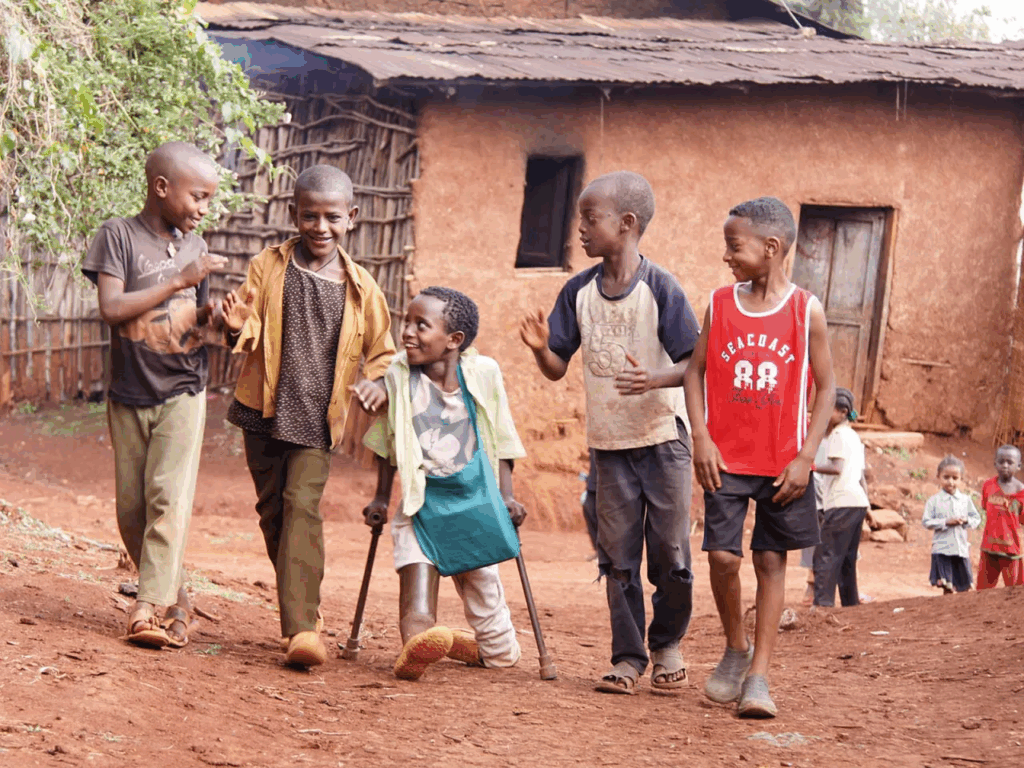
Promote community education, disability awareness campaigns, and representation in leadership to shift mindsets and recognize the value of people with disabilities.
6. Global and Regional Partnerships
Foster collaboration among international organizations, African governments, civil society, and private companies to build inclusive societies aligned with global human rights standards.
By working together to address these challenges and implement inclusive solutions, Africa can create a more equitable society where people with disabilities are valued, empowered, and able to contribute to their full potential .