

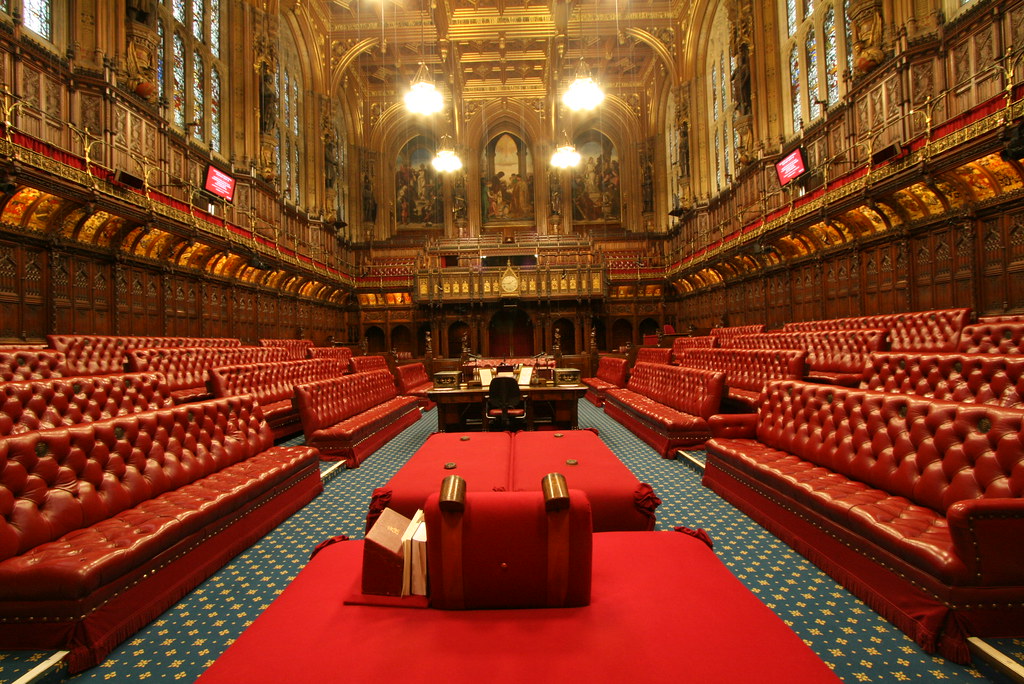


House of Lords Supports Benefit Cuts Despite Disability Groups’ Concerns
The House of Lords voted in favour of a new law that will cut billions from disability benefits, with only 17 members opposing the bill. The law reduces support for new Universal Credit claimants with health conditions, affecting around 750,000 people by 2030.
Negative Portrayal of Disabled People
During the debate, some peers made negative and misleading statements about disabled people, blaming them for economic issues. Viscount Younger claimed that living on benefits lacks dignity and repeated inaccurate claims that disabled people on benefits earn more than low-paid workers.
Small Concession
Despite the bill’s passage, the government clarified that people won’t need a formal NHS diagnosis to qualify for some protections under the new system. Disability rights groups acknowledged that their activism helped weaken some of the most harmful parts of the law.

Criticism and Concerns
Many peers and campaigners believe the bill will harm disabled people and fails to address the root causes of poverty and poor health. Key concerns include:
- Poverty and Health: The bill will worsen poverty and have life-threatening effects on disabled people.
- Human Rights: The bill undermines human rights obligations and fails to provide enough support for those who cannot work.
- Inaccurate Claims: Peers repeated harmful claims about disabled people, including suggestions that they get more money than workers or that support encourages laziness.
Conclusion
The vote highlights the ongoing struggle for disability rights in the UK. Despite the efforts of disability groups and some peers, the bill’s passage reflects a broader trend of reducing support for vulnerable populations. The impact of these cuts on disabled people remains a pressing concern.