

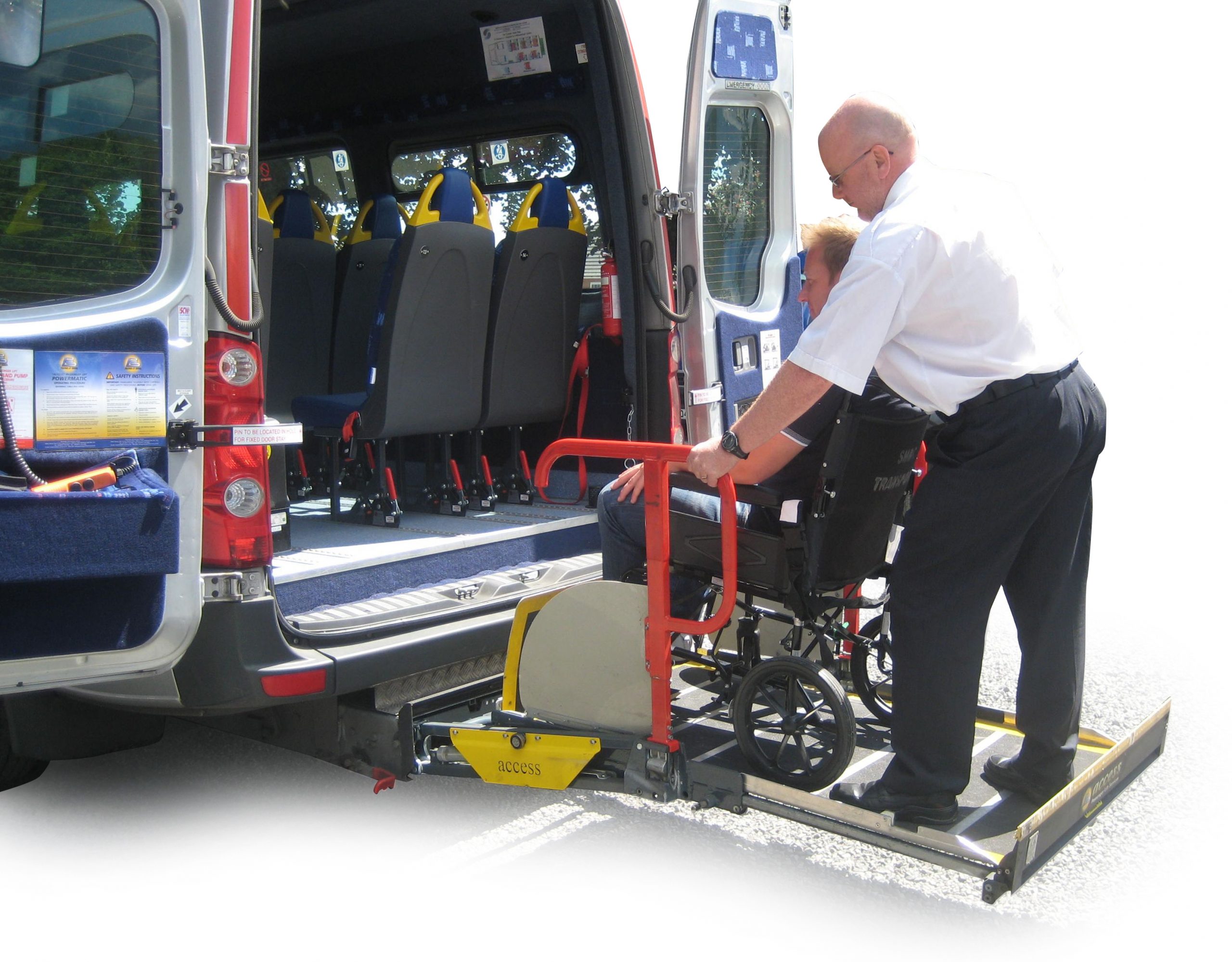

The UK rail system is still struggling to support disabled passengers who want to travel without advance notice. A recent report by the Office of Rail and Road (ORR) shows that many disabled passengers are not getting the help they need, especially those who don’t book assistance ahead of time.
The report found that only 78% of passengers who booked help in advance got all the support they needed. For those with learning difficulties, mental health conditions, or communication challenges, the numbers were even lower, around 72-73%. However, the report didn’t focus on passengers who travel spontaneously without booking help, which is their legal right.

Disability activists are criticizing the ORR for ignoring this issue. They say the regulator is not collecting reliable data on how well spontaneous travel is working for disabled passengers. The ORR did report that there were 491,000 “turn up and go” requests in 2024-25, but admitted the numbers might not be accurate.
There are big differences between train companies in supporting disabled passengers. Some companies, like Northern Trains, had a poor record, while others, like London North Eastern Railway, performed better.
The report highlighted several issues, including unreliable lifts at stations, poor communication between staff, and problems with accessible transport when rail services are replaced by buses. Campaigners say that unless the regulator takes spontaneous travel seriously, disabled passengers will continue to face barriers to equal access on the rail network.

The ORR acknowledges that progress has stalled and that the rail industry needs to do more to support disabled passengers. Disabled passengers deserve equal access to rail travel, and it’s time for the industry to step up and deliver.
Some potential solutions could include:
- Improving staff training to better support disabled passengers
- Increasing accessibility features at stations, such as reliable lifts and clear signage
- Enhancing communication between staff and passengers to ensure smooth travel
- Collecting accurate data on “turn up and go” requests to identify areas for improvement
By addressing these issues, the rail industry can work towards providing equal access to all passengers, regardless of their abilities.