


Disability Is Not a Limitation—It’s a Distinct Form of Strength
Personally, i believe that Disability is not a weakness, a flaw, or a barrier, it is a unique pathway through which individuals express strength, creativity, and resilience. It is a form of human adaptability, a survival instinct that empowers people to bring forth gifts, insights, and talents the world has yet to fully recognize.
People with disabilities stand out not just by what they do, but by who they are within. Their power isn’t always seen in loud actions or heard in strong voices — it radiates from a deeper place: a brilliance that sets them apart in ways that can’t be imitated. If society fails to see that, the loss is not theirs — it’s ours.
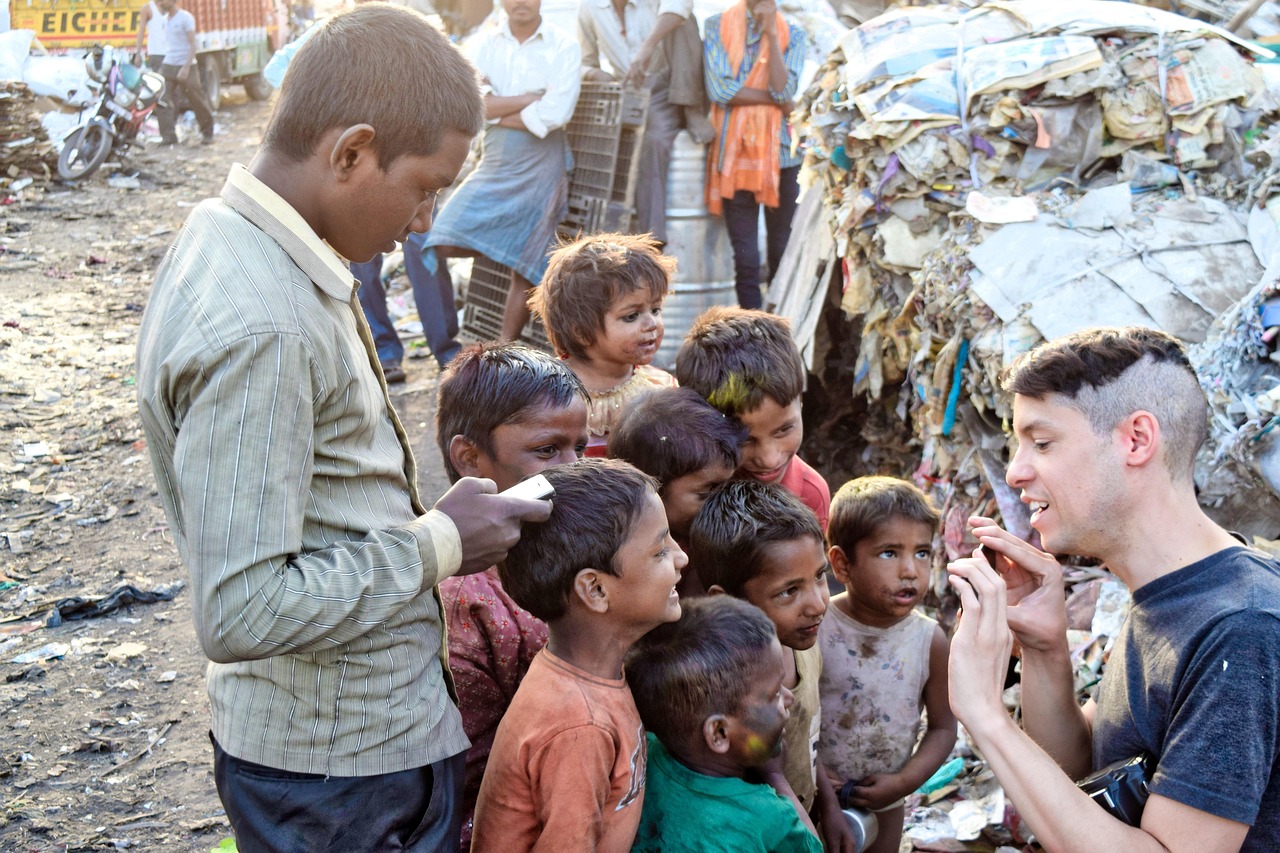
Children, in all their diversity, are among the greatest treasures humanity receives. They are our legacy, our future, and without them, humanity ceases to continue. All children — with or without disabilities — are vulnerable and require our protection, guidance, and love. What we invest in them today is what we will reap tomorrow.
I fully agree with disability rights advocate Navin Kikabhai, who said:
“The education of disabled children and young people must not depend on the goodwill or budgets of local authorities. Rights are not optional.”
Just as air is vital to life, access to inclusive education is essential to a child’s development. The moment we start treating that access as negotiable or conditional, we are actively denying children their right to thrive — and that’s a warning sign that something is deeply wrong.
What Real Inclusive Education Looks Like
To truly educate all children, especially those with disabilities, schools must be transformed into inclusive environments where every child is welcomed, supported, and empowered. This means:
- Designing inclusive syllabi that reflect diverse learning styles and needs
- Providing adaptive tools and resources — such as assistive technologies, visual aids, and sensory materials
- Training educators in inclusive teaching methods like Universal Design for Learning (UDL), differentiated instruction, and personalized learning
- Creating classrooms where every child — regardless of ability — is seen, heard, and valued
These changes won’t just benefit disabled students — they’ll create stronger, more compassionate schools and generate new employment opportunities, training youth as specialized teachers, support staff, and disability inclusion experts across the education system.
All Children Matter — No Exceptions
Children are the future of every society, whether they are Black or white, disabled or non-disabled. The government must reconsider any plans to restrict access to Education, Health and Care Plans (EHCPs) — lifelines that support the learning, health, and independence of disabled children.
Removing or limiting EHCPs isn’t just bad policy — it’s a violation of basic human rights. Every child deserves a chance to learn, grow, and contribute. And every child, no matter their ability, deserves to be part of the world — not pushed to the margins of it.